


Chandigarh | Updated: July 9, 2026
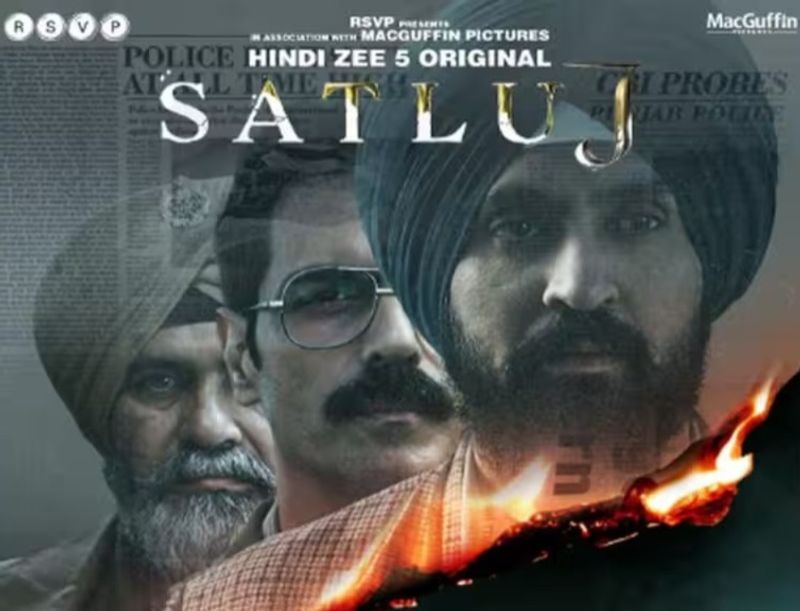
Punjab Aam Aadmi Party president Aman Arora on Thursday said the decision to ban public screenings of Diljit Dosanjh-starrer ‘Satluj’ lies with the BJP-led Centre.
His remarks came amid public screenings of the film across several villages and cities in Punjab over the past two days.
Arora said the Centre had the power to remove the film from the OTT platform, and any decision on stopping public screenings would also fall under its authority.
He said the screenings were being organized by private individuals and organizations in different parts of the state.
Questioning the state government’s role, Arora asked what power the Punjab government had to stop such screenings.
He said the film was being used by different people for political advantage.
Arora added that he had not yet spoken to Chief Minister Bhagwant Mann or his Cabinet colleagues on the issue.
The film is based on the life of human rights activist Jaswant Singh Khalra and has drawn strong reactions across Punjab’s political and social circles.
While some sections of society and political parties have opposed the removal of the film, others fear that it could reopen painful memories from Punjab’s past.
Arora said he was not aware of the chief minister’s opinion on the matter, but his personal view was that attempts to suppress the film could increase public curiosity.
He warned that this could lead to other problems.
The Punjab AAP chief said the state had already seen a difficult phase in the past, and all political parties should act responsibly to ensure that public sentiments are not inflamed.
He said many people had lost their lives during the dark days of terrorism, both at the hands of militants and in police action.
Arora said it was the collective responsibility of everyone to ensure that history is not repeated.
Taking a dig at the Congress over its ongoing internal conflict, Arora said he hoped everything was as normal in the party as its leaders were claiming.
He added that if Congress leaders could not handle their own internal disputes, they could not be expected to manage the affairs of Punjab.