



New Delhi | Updated: July 2, 2026
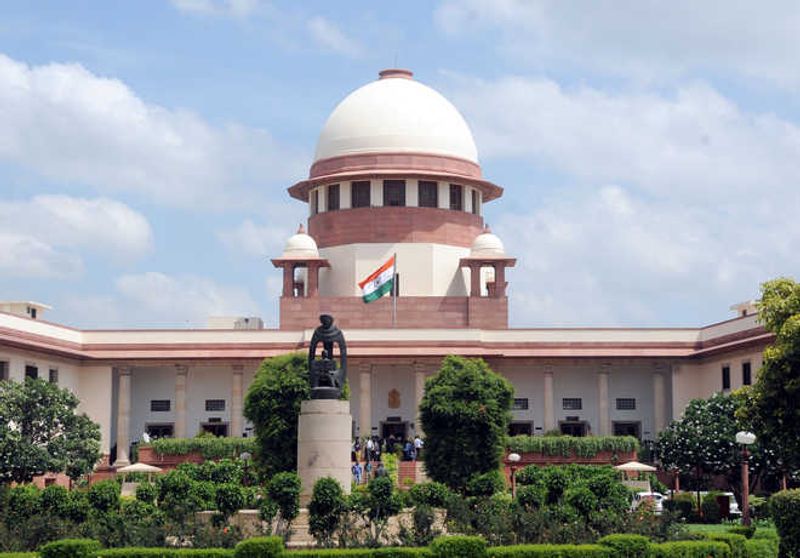
The Supreme Court on Thursday raised serious concern over the use of AI-generated fake legal precedents and set aside a National Company Law Tribunal order after finding that the tribunal had relied on non-existent and hallucinated judgments.
A bench of Justices PS Narasimha and Alok Aradhe said courts must adopt a zero-tolerance approach towards producing, citing, or relying on AI-generated legal material without proper verification.
The matter related to an insolvency dispute involving Pooja Ramesh Singh, Jammu and Kashmir Bank Ltd., and Essel Infraprojects Ltd. The appellant had challenged an NCLT Mumbai order that admitted a Section 7 insolvency application.
During the hearing, the Supreme Court found that several judgments cited in the NCLT order did not exist. The fake precedents included fabricated case names and paragraphs wrongly attributed to genuine legal citations.
The court observed that using fake or hallucinated AI-generated material as legal precedent can seriously damage the integrity of judicial decision-making. It said such material contaminates the process of justice and cannot be allowed to enter court records or judgments.
The bench held that it is misconduct on the part of an advocate to cite such judgments without verification. It also said it is a serious lapse if a judge relies on fake or hallucinated AI-generated material while deciding a case.
The Supreme Court said any decision based even partly on fake or hallucinated legal material cannot stand in the eyes of law. It said such decisions must be set aside if even a small portion of fabricated material enters the decision-making process.
The court clarified that its ruling does not oppose the rightful use of artificial intelligence in legal work. However, it warned that AI-generated material cannot be presented or relied upon as genuine court precedent unless properly verified.
The bench also directed the Bar Council of India to constitute a committee and examine the issue of lawyers submitting fake or hallucinated judgments before courts as legal precedents.
The Supreme Court asked the Bar Council to frame guiding principles to prevent such incidents and also consider disciplinary action for violations.
In the present case, Jammu and Kashmir Bank filed an affidavit stating that its counsel had not cited the fake cases and that the NCLT appeared to have used them through its own research. However, the Supreme Court said the source of the error did not reduce the damage caused to the rule of law.
The verdict is being seen as a major warning for lawyers, judges, and tribunals on the risks of unverified AI-generated legal content in court proceedings.