



Chandigarh | Updated: June 25, 2026
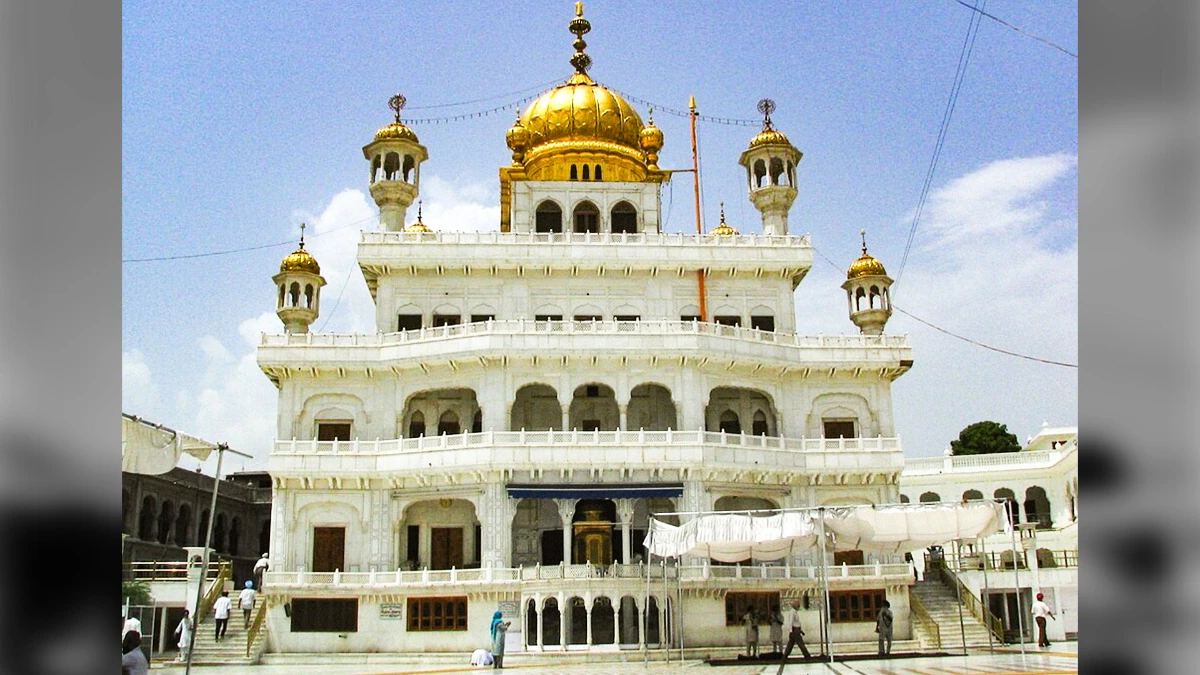
Akal Takht, the highest temporal seat of Sikhism, has summoned all Sikh MLAs and ministers in Punjab to appear before it on June 29 over the newly passed Jagat Jyot Sri Guru Granth Sahib Satkar Act, 2026.
The law, passed by the Punjab Assembly on April 13, provides for life imprisonment and heavy fines in cases involving sacrilege of Sri Guru Granth Sahib.
According to the directives, 78 Sikh MLAs, including Punjab Assembly Speaker Kultar Singh Sandhwan, and nine Sikh cabinet ministers have been asked to appear before Akal Takht on June 29. Non-Sikh ministers and legislators have been directed to submit written explanations by the same date.
The summonses have been issued to legislators across party lines. Those asked to appear include Congress MLA Rana Gurjeet Singh, Congress leader Pargat Singh, AAP ministers Harpal Singh Cheema, Harjot Singh Bains, Dr. Balbir Singh, and Gurmeet Singh Khudian, besides Speaker Kultar Singh Sandhwan.
Non-Sikh ministers Sanjeev Arora, Aman Arora, Barinder Kumar Goyal, Lal Chand Kataruchak, and Mahinder Bhagat have been asked to furnish written replies.
The move has triggered political and religious discussion in Punjab, where sacrilege-related issues have remained highly sensitive and have often shaped public debate.
Earlier this month, Akal Takht had declared Punjab Chief Minister Bhagwant Mann “Khalsa Panth virodhi” over a viral sacrilege-related video. Mann rejected the allegation and claimed that the video was fabricated and did not feature him.
The Akal Takht has also intervened in political matters in the past. In 2024, Shiromani Akali Dal leader Sukhbir Singh Badal was declared “tankhaiya” by Akal Takht over decisions taken during the SAD-led government’s tenure from 2007 to 2017. As part of the religious punishment, Badal performed sewa at the Golden Temple in Amritsar.
The Jagat Jyot Sri Guru Granth Sahib Satkar Act, 2026, was passed unanimously by the Punjab Assembly amid demands for stricter punishment in sacrilege cases. Chief Minister Bhagwant Mann had described the legislation as a landmark step to protect religious sentiments and maintain social harmony in the state.
With the June 29 summonses, the issue is expected to remain at the center of Punjab’s political and religious discourse.